Transforming Oral Health
We work with public and private partners to build person-centered, integrated care systems that improve health outcomes.
Our health care system is fragmented — medical, dental, and other areas of health are siloed — and when the system is fragmented, so is the quality and continuity of care that a patient receives. Oftentimes, patients slip through the gaps of the system and are burdened with the responsibility of seeking, managing, and integrating their care.
Instead, equipped with the right tools and incentives, providers and other health care professionals can be stewards for patients by coordinating and providing comprehensive, holistic care.
How are we transforming oral health? Explore the areas below to find related research, publications, thought leadership, educational materials, grant opportunities, and more.
Medical-Dental Integration
The links between oral health and overall health — between the mouth and the body — are increasingly clear. And to treat the whole person, our health system needs to recognize these connections and bridge the silos between medical care and dental care.
Medical-dental integration can help build that critical bridge between oral health and overall health. This approach to care integrates dental medicine into primary care and behavioral health, while also integrating services such as screenings for chronic diseases into dental care. It includes coordinated care that ensures all providers caring for a given patient have access to the same information and can communicate seamlessly with one another through connected systems.
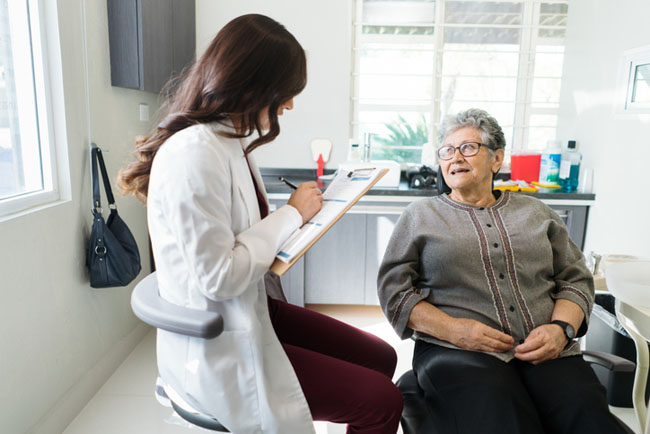
That coordinated system — between dentistry and other health disciplines — is essential but getting that coordination right is complex and challenging. Promising work is underway, as providers realize the value of coming up with comprehensive care plans for the whole person.
Minimally Invasive Care
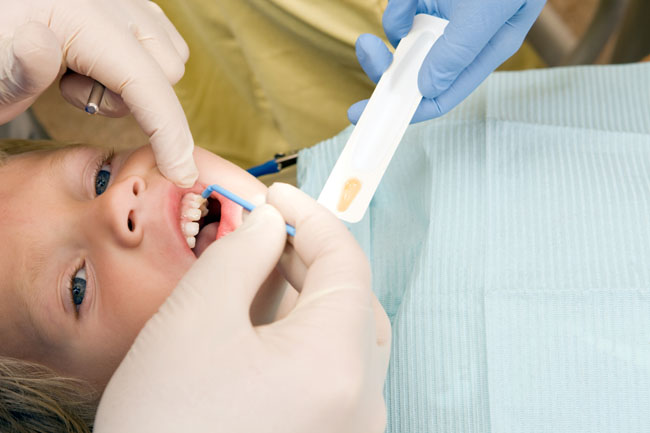
Minimally invasive care (MIC) in dentistry is an option for patients that is often more desirable and accessible than expensive and painful needles, drills, and extractions. MIC aims to prevent and heal tooth decay without removing any tooth structures.
MIC can also help patients (and providers) avoid the cycle of repairs that are often needed with other restorative work, detecting and treating small cavities early. It can reduce anxiety, save money, and result in better long-term outcomes.
MIC makes care more accessible and convenient, too. It can be delivered by different members of the care team, including dental hygienists, dental therapists, dental assistants, and medical providers, which can expand access for patients — especially in rural areas.
Value-Based Care
In recent years, both medicine and dentistry have experienced a push to begin rewarding not the quantity of services but the quality of outcomes — a model known as value-based health care. This approach incentivizes prevention and personalization, and typically involves alternative payment models (APMs).
APMs can use different frameworks to:
- Link financial incentives to improvements in care quality and health outcomes
- Focus on disease management and prevention to lower spending
- Pay for comprehensive and coordinated services
The advantages of a value-based care model are clear: less waste, lower costs, and, most importantly, better oral health for patients. Getting to that reality will take innovation, persistence, and a redesigned oral health care system.