
Medicare
Including dental coverage in Medicare can save the health care system billions of dollars per year and improve the overall health of individuals with chronic systemic diseases.

The Issue
At every stage of our lives, oral health is connected to overall health. For older adults, oral health and dental care are especially important because the risk of dental concerns increases with age. Yet standard Medicare, the insurance program that millions of older people in the US rely on, does not provide dental coverage, leaving approximately one third (31%) of participants without it. This inadequate coverage can lead to preventable health problems for people enrolled in Medicare, as well as higher long-term costs
Why It Matters
There are several reasons why older adults need regular dental care — reflecting the interconnections between age, oral health, and systemic health. For instance, the risk of periodontal disease rises with age, and people with periodontal disease have a 28% higher risk of suffering a first-time heart attack than those without dental problems. Another example: Most older adults take medications that can cause xerostomia (dry mouth), and a reduced flow of saliva raises the risk of tooth decay.

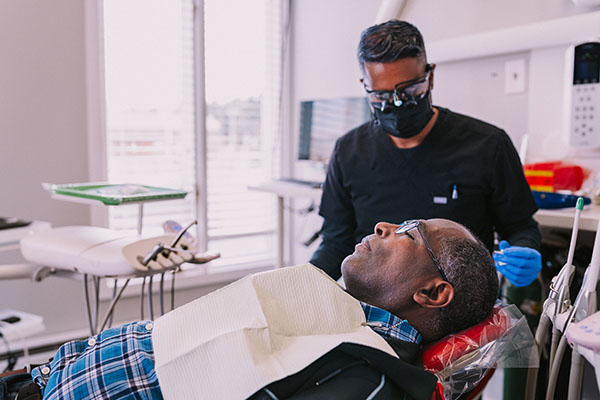
When they retire, many older adults are surprised to discover that standard Medicare does not cover routine dental coverage. To obtain coverage, they need to buy a Medicare Advantage plan or pay out of pocket. The lack of access to regular dental care for older adults is also an equity issue — it disproportionately affects older adults of color and those living in rural areas.
The Path Forward
Expanding Medicare’s coverage of dental care is urgent, as the US population ages and the cost of living rises. Improving Medicare’s dental benefits is also a political winner: More than 9 in 10 voters nationwide (92%) support adding a dental benefit to Medicare, according to results from a 2024 national poll commissioned by CareQuest Institute and OPEN. (OPEN is a network of people and organizations taking on America’s oral health challenges.)
Leaders can effectively address the shortcomings in access to care for people enrolled in Medicare. Many solutions are within reach, including policy and systems-level change:
- Federal policymakers can advance measures to add a dental benefit to Medicare knowing the public strongly support it.
- Health industry leaders can look to care models such as medical-dental integration (MDI) to benefit adults’ health and lower costs.
- Advocates and providers can continue to educate the public and patients about gaps in the system, encouraging them to speak out for stronger Medicare coverage.

Stats
31%
Approximately one third (31%) of Medicare recipients do not have dental insurance.
Learn more
52%
Among older adults who had not seen a dentist in more than two years, 52% said they had experienced at least one symptom — such as a toothache, bleeding gums, or pain when chewing — that is frequently linked to oral disease.
Learn more
1 in 5
Almost 1 in 5 older adults (18%) cited the cost of care as a reason why they did not seek services to address oral health symptoms.
Learn more
75%
At least 75% of total dental costs among Medicare or Medicare Advantage participants were paid for out of pocket.