
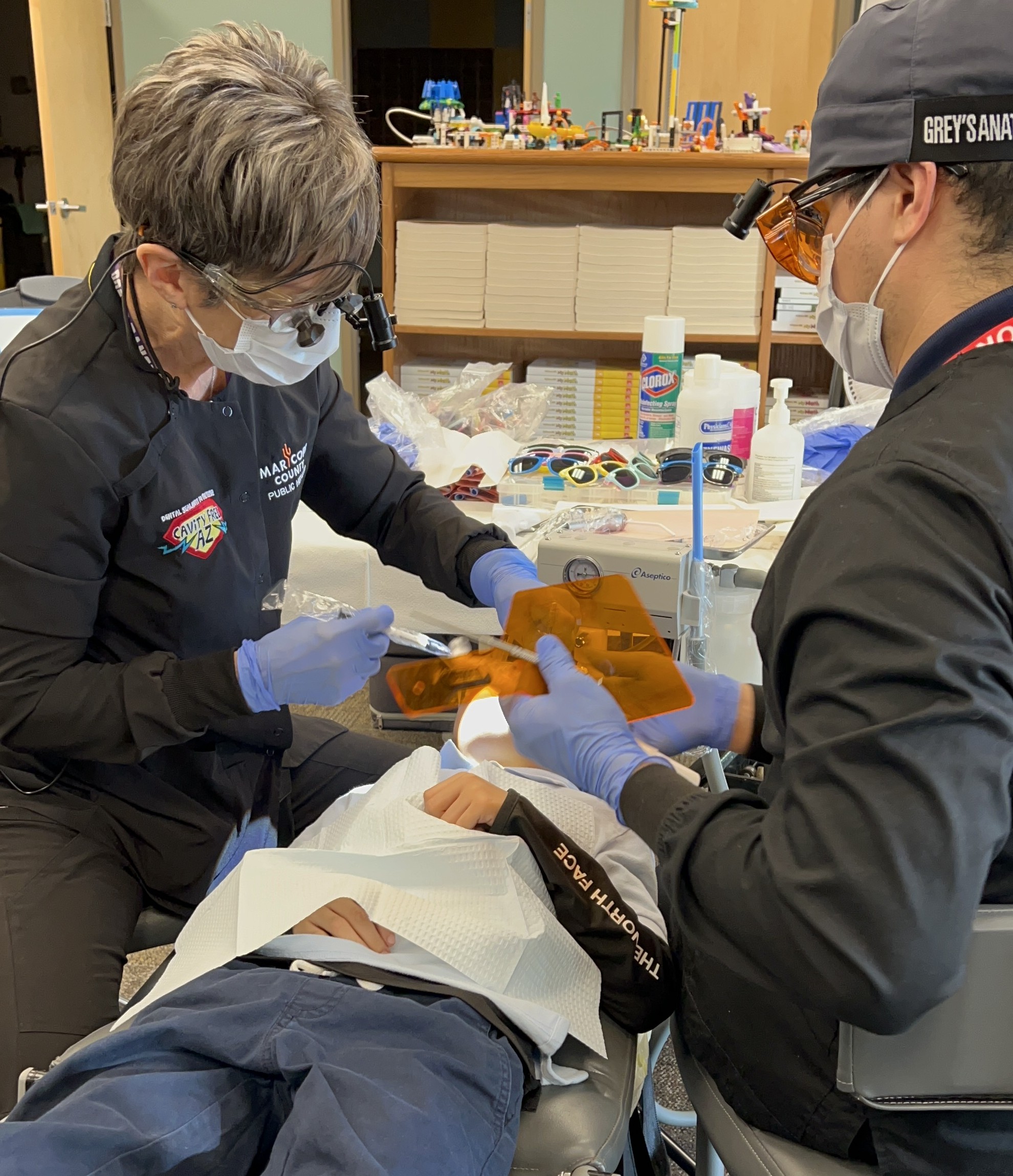
Jackie Sutter, the Maternal, Child and Oral Health Program Supervisor for the Maricopa County Department of Public Health in Arizona, knows that identifying the problem is the first step when a child has an urgent dental need. The often challenging second step? Helping the child get care.
“The biggest barrier I see is families not knowing their benefits and how to get care,” says Sutter.
For the past year, Sutter has been working to help families overcome that barrier in her area by developing a dental referral network designed to connect children with needed care. A recent CareQuest Institute webinar, “Evidence and Solutions to Overcome Oral Health Disparities,” came along at the right time, providing Sutter and more than 400 fellow learners with valuable examples and potential solutions.
“That was what drew me to it,” Sutter says of the webinar. “I wanted to see what other people were doing and how they were making it work.”
Sutter oversees the county’s oral health, adolescent health, and maternal and child health programs. Through the county’s school-based mobile dental clinic, dental providers screen approximately 2,000 students per school year. During the visits, the providers offer valuable oral health care: More than 70% of the students receive some type of preventive service, such as dental sealants, silver diamine fluoride, or fluoride varnish.
But roughly 10% of students have an immediate dental problem that requires further treatment in a dental office — and connecting them to the care they need is not always easy.
“Families just don’t know what to do once they get that referral,” Sutter says. “They’re told they have decay issues. They just don’t know what the next step is.”
Finding Students a Dental Home
Of the students who participate in the county’s school-based mobile dental clinic, more than 30% are uninsured and more than 50% are on Medicaid. Families who are struggling financially tend to have many pressing needs, and dental care often falls low on the priority list. Moreover, the county is very spread out geographically, with few local providers in rural areas, and the system can be challenging to navigate.
During the webinar, three experts — Catherine Hayes, DMD, SM, DMSc, of Harvard School of Dental Medicine; Margaret Samuels-Kalow, MD, MPhil, MSHP, of Mass General Brigham and
Harvard Medical School; and Danielle Cullen, MD, MPH, MSHP of Children’s Hospital of Philadelphia — identified drivers of oral health disparities and outlined practical, evidence-based strategies to improve access.
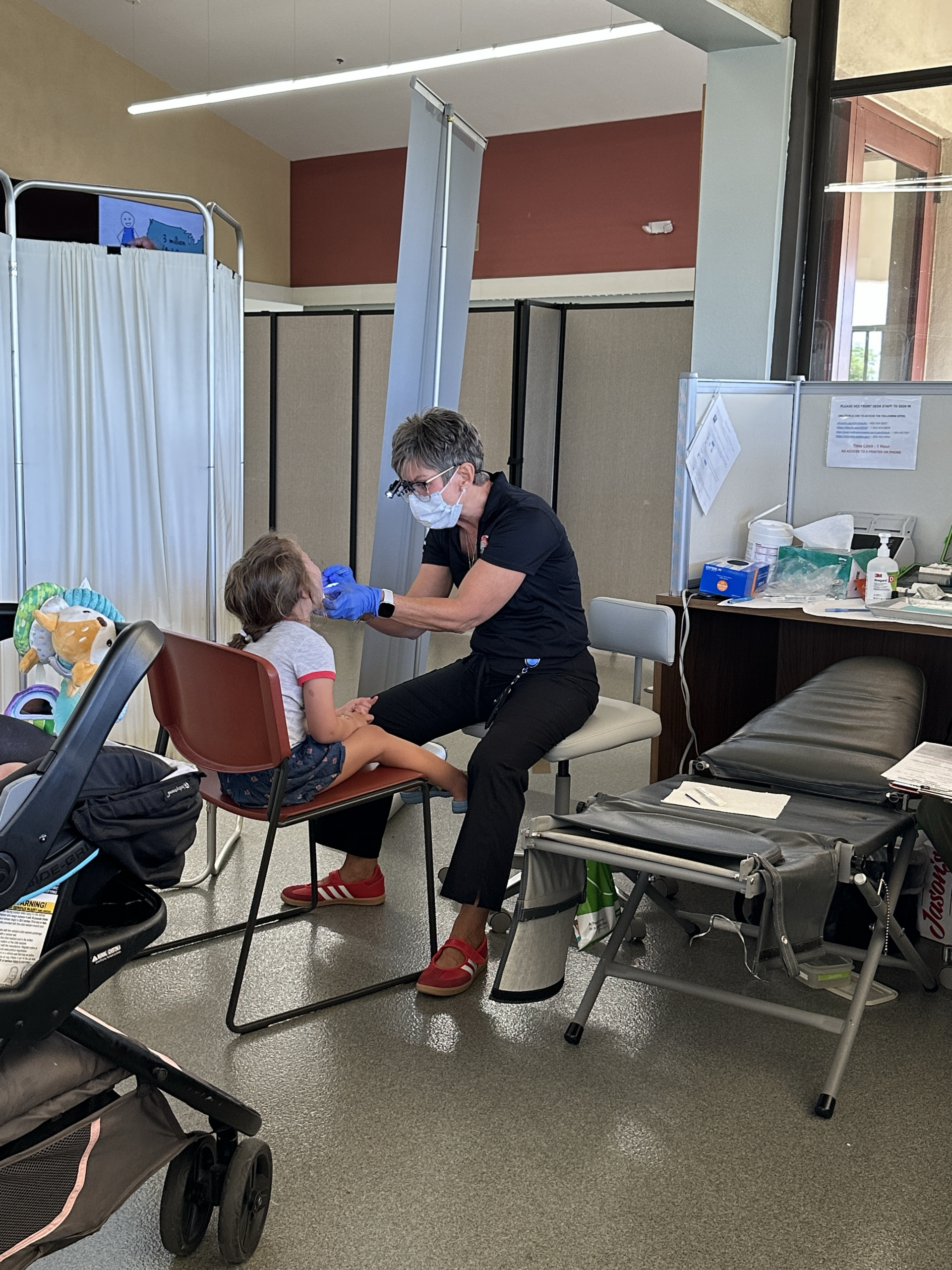
Much of the material resonated with what Sutter had observed firsthand. The panelists emphasized that insurance is not enough; benefit design, provider participation, and care navigation are also essential. They discussed the importance of meeting people where they are, not just providing referral lists but making sure that individuals in need actually get connected with care.
Sutter learned about the Mapping Oral Health and Local Area Resources (MOLAR) study, which identified patients in emergency departments with oral health needs and adverse social drivers of health (aSDOH). A community health worker then linked them with care.
“That MOLAR study was really interesting to see how they were using a community health worker to navigate families,” Sutter says.
Those lessons align closely with the goals of Maricopa County’s referral network. Whether they’re insured or uninsured, the goal is to help families understand their options and link them with a dental home. Children on the State Medicaid Plan are assigned a dental provider at age 1.
“But most people don’t know that,” Sutter says. “The referral network will help them determine, ‘Who were you assigned to? Is this convenient? Have you moved? Is this no longer a good provider?’”
Getting Dentists on Board
Helping families find a dental home, however, requires more than identifying children who need care. It also requires a network of dentists willing to accept referrals and provide treatment. Sutter’s next challenge was building the provider network needed to make those connections possible.
In September, Sutter’s office released a notice of intent to pediatric dental providers throughout Maricopa County, inviting them to join their referral network. By joining the network, providers are asked to offer charitable care to uninsured children according to their selected level of participation and available capacity outlined in their agreement.
Once they finalize the partnerships with dentists, they plan to include a list of these providers to all of the students in their school-based clinic.
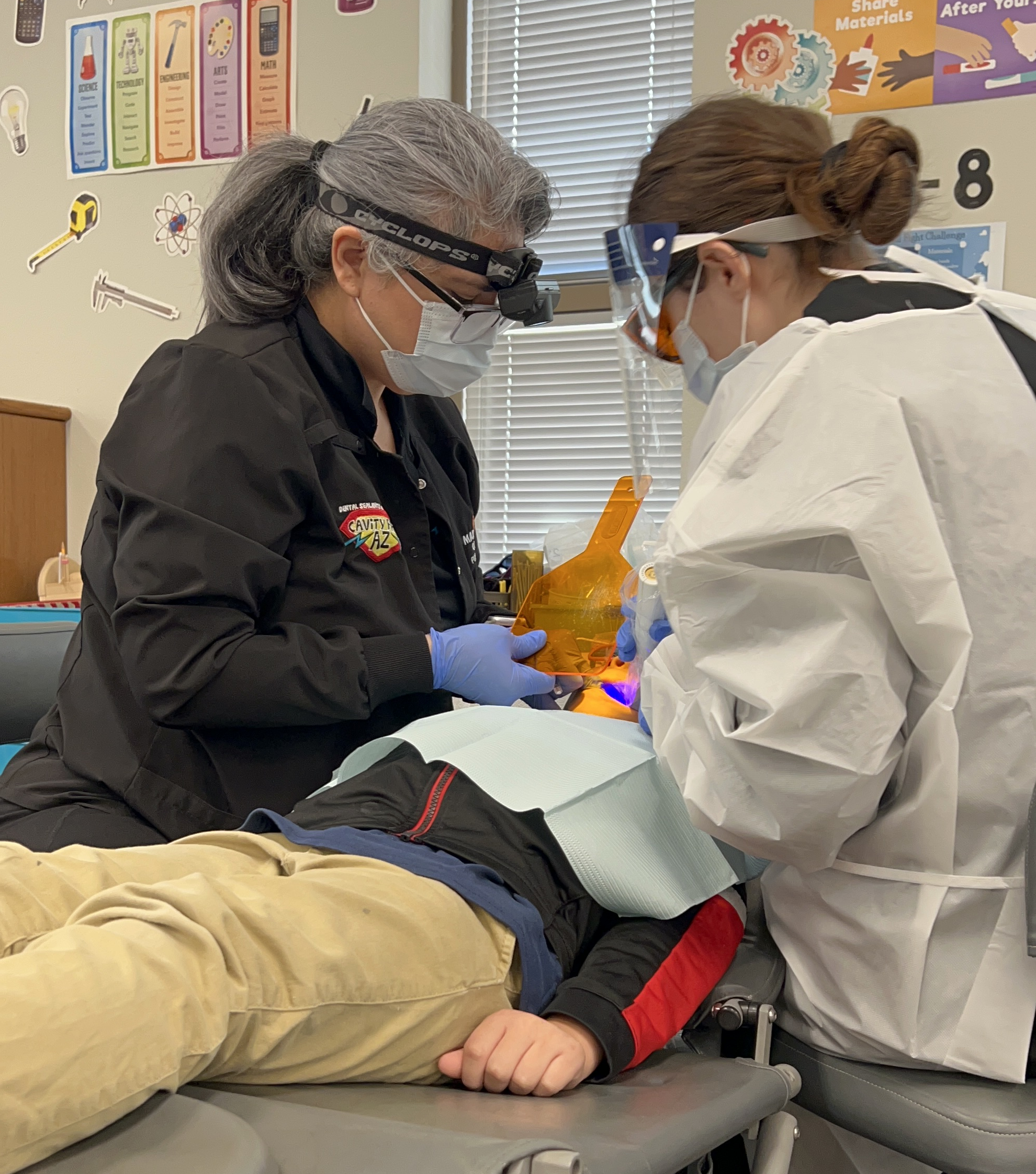 “They’ll get that list in their little goodie bag when they go home,” says Sutter.
Her team will also distribute the list to community partners, such as Women, Infants & Children (WIC) offices. But Sutter knows that, as the CareQuest webinar emphasized, a list is just a starting point. She and her colleagues plan to work with families to support them as they establish a dental home for their children.
For example, Sutter and her team promote the school-based clinic at school events and other community events. At these events, a dental hygienist will provide education on oral health and nutrition to parents, using the National Maternal and Child Oral Health Resource Center Open Wide curriculum. They will also offer oral health education to other professionals in the community who serve the population.
Sutter’s aim is to make sure not only that children are referred to a particular dental provider, but that they follow through and attend the appointment. To that end, a staff member will follow up three times with each family.
“We just want to see these kiddos get to the dentist and get a dental home,” Sutter says.