Medical–Dental Integration in Action
Oral health is health

Many common, chronic diseases are connected to poor oral health. But, too often, our system isn’t set up to treat the body and the mouth together. Technology, communication, and payment structures are often separate, making it challenging to provide whole-person care for patients.
Everyone working in health care — from providers to payers — has a role to play in improving this system.
CareQuest Institute is focused on leading this change. We know that oral health is health. And through research, advocacy, strategic partnerships, philanthropy, and education, we’re working to help create a more integrated system that leads to lower costs, better patient experiences, and better health care outcomes.
Stats
2-3x
People with gum disease have 2 to 3 times the risk of having a heart attack, stroke, or severe cardiovascular event.
Learn more
40%
40% of pregnant women have some form of periodontal disease, which may contribute to preeclampsia and miscarriage.
Learn more
86%
Diabetes raises the risk of developing gum disease (periodontitis) by 86%.
Learn more
27M
27 million people see a dentist but not a physician each year.
Learn more
Diabetes and Oral Health
There is a well-established and bi-directional link between diabetes and periodontal (gum) disease. Diabetes raises the risk of developing gum disease by 86%, and untreated gum disease makes it harder to manage blood glucose levels. And many people with diabetes living in the US may not know they have it.
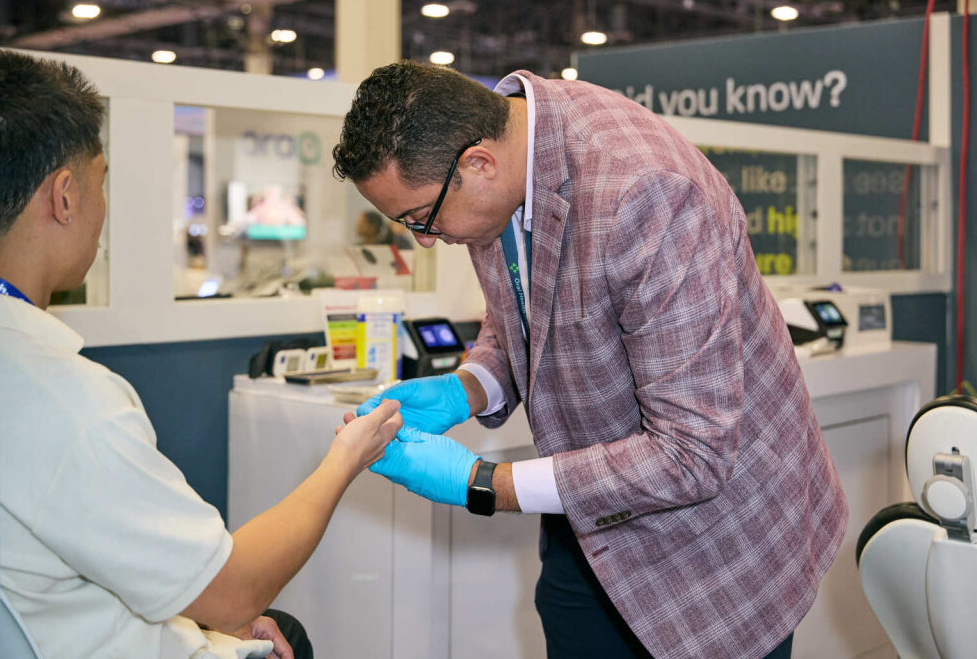
Screening for diabetes in the dental office can help. A large-scale systematic review found that dental chairside HbA1c screening identified more than 11% of previously undiagnosed dental patients as having type 2 diabetes and an additional 47% as having prediabetes.
Cardiovascular Health and Oral Health

Emerging research has established links between oral health and heart issues, too. Poor oral health, including gum disease, causes bacteria to grow in the mouth. These germs can enter our bloodstream and travel to our heart, which can then cause inflammation. People with gum disease have 2 to 3 times the risk of having a heart attack, stroke, or severe cardiovascular event.
While poor oral health is not the sole cause of these threats, research shows other strong connections between our oral hygiene and heart health.
Pregnancy and Oral Health
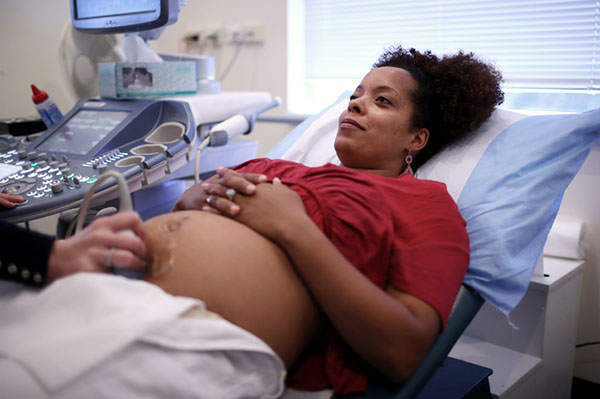
During pregnancy, oral health care is essential, yet often underutilized. In fact, 40% of pregnant women have some form of periodontal disease, which may contribute to preeclampsia and miscarriage.
Adequate prenatal and postnatal care, better interprofessional communication between oral health and maternal health providers, and policies to strengthen Medicaid coverage can significantly improve these poor outcomes, especially for Black women.
Financial Impacts
$42B
Including periodontal treatment in Medicare could save more than $42 billion annually for patients with diabetes and patients with heart disease.
Learn more
$5.9K
Learn more
$3.9B
More than 1.6 million emergency department visits for non-traumatic dental conditions cost the health care system $3.9 billion annually.
Learn more
Partnering to Drive Integration
The BRIDGE Health Network, established by Henry Schein and CareQuest, is a curated network of health care providers committed to advancing systemic health models of care and improving prevention and wellness through medical-dental integration.
The inaugural pilots will focus on incorporating diabetes screenings into dental hygiene visit workflows across diverse practice segments, with dental teams providing point of care screening tests, educational resources, and care coordination for patients. Participating practices will focus on identifying challenges and best practices to develop a clear set of workflows for provider implementation.